
The short answer: the right system depends on the whole building, your current heating setup, and what you want to improve. Start with an assessment of those needs before comparing equipment.
Start with the comfort problem
Write down the rooms that feel different, the time of day the problem is most noticeable, and the equipment you currently use. Those details make an initial conversation more useful than starting with a brand or a capacity number.
What changes with a heat pump?
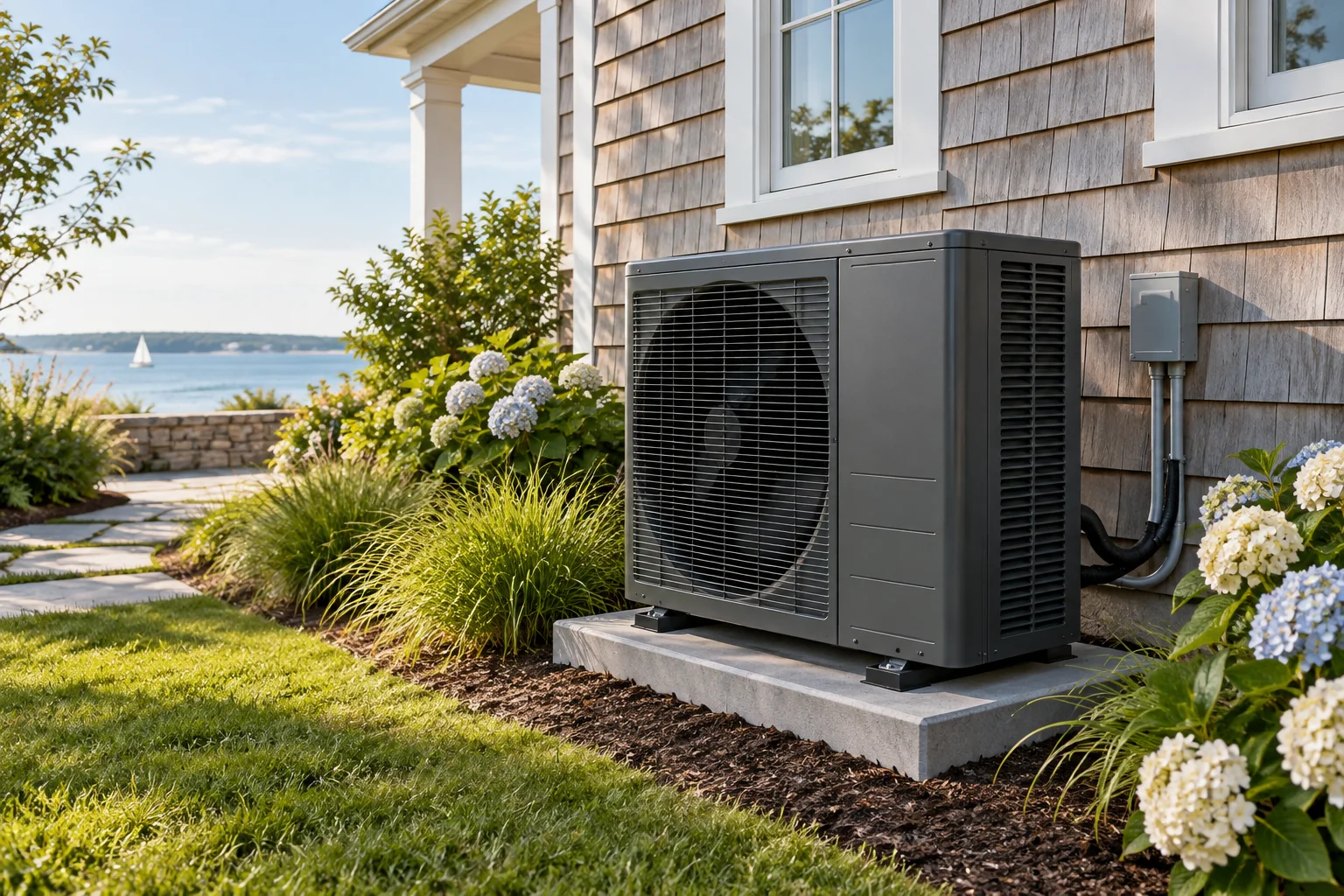
An air-source heat pump moves heat between indoors and outdoors, allowing the same system to provide heating and cooling. Ducted and ductless approaches serve different layouts. The U.S. Department of Energy’s heat pump overview explains the main system types.
Questions to bring to your consultation
- Are we replacing cooling only, supplementing heat, or planning a full change?
- Can the existing ducts support the proposed system?
- What heating and cooling load does the building have?
- How will the design address the coldest conditions and any backup heat?
- Where can outdoor and indoor equipment be placed and serviced?
Compare a complete proposal
Ask for the proposed equipment, installation scope, controls, and maintenance expectations to be explained together. A low equipment price says little about whether the design addresses the rooms that prompted your search.
If one space needs attention, discuss a single-zone ductless option. If the whole property needs a change, include your existing distribution and heating system in the assessment.
For your Long Island home
Prepare a short list of your goals: quieter operation, more consistent room temperatures, heating and cooling in one system, or a better approach to an addition. Share your town, approximate floor plan, and recent service history. Actual performance and operating costs depend on the equipment, design, building, rates, and use; there is no one-size-fits-all savings figure.
Make it personal to your space.
A guide is a starting point. Tell us about your system to discuss your next step.